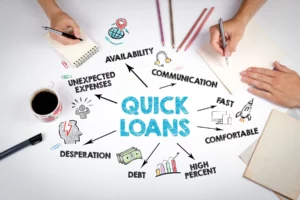
Taking out a payday loan in South Africa isn’t illegal. However, when a lender offers a loan without the required NCR registration, charges excessive interest or fees, retains your SASSA or bank card, or makes threats to demand repayment, it could be a case of loan sharking, or illegal and exploitative lending.
Many people struggle with financial constraints at the end of the month. Some need to buy medicine, others need to pay their electricity bills, and others have to wait for their next government aid or salary. A person offering instant cash loans may seem helpful during these times.
But remember: getting money quickly and being a trustworthy lender are two different things.
What does loan sharking mean?
In South Africa, loan sharks are also commonly known as mashonisa. This could be a person or business that lends money to people but doesn’t follow the necessary legal regulations or exploits the borrower financially and personally.
However, not every personal small cash loan is loan sharking. The real problem begins when a lender or company breaks the law or collects money through unfair means.
For example, a lender or business lends you R1,000 and tells you upfront that you’ll have to pay back R1,500 the following month. They don’t provide a written agreement and they also keep your SASSA card. This is a serious warning sign regarding your personal and financial information.
What is the difference between payday loans and loan sharking?
The biggest difference between the two is the lender’s behaviour and legal compliance.
| Basis of Comparison | Legal Payday Loans | Loan Sharking |
| Registration | Registered in the NCR where required. | Required registration may not be available. |
| Interest and fees | Within applicable legal limits | Illegal or excessive fees |
| Loan Agreement | Terms are clear and written | Agreement is unclear or absent |
| Income verification | Repayment capacity assessment | Loans without proper due diligence |
| Bank or SASSA cards | Not allowed to be possessed | Attempts to confiscate cards |
| Payment Recovery | Legal Process | Threats, Coercion, or Violence |
| Complaint | NCR and other relevant agencies | Can be reported to the NCR and the police |
However, a high interest rate alone doesn’t legally classify a lender as a loan shark. It’s important to ensure that the interest and fees comply with applicable NCR regulations and that other legal requirements are met.
Under what circumstances might a payday loan be illegal in South Africa?
The National Credit Act (NCA) 2005 regulates consumer credit in South Africa. Its purpose is to promote a fair credit market, transparent terms, and responsible lending.
Certain lending practices may be of particular concern to you.
Providing Loans Without Required NCR Registration
Every credit provider in South Africa must register with the National Credit Regulator (NCR). However, this depends on whether the credit provider is subject to the legal registration requirements.
Therefore, before borrowing money from an online or local store payday lender, check their legal name and registration details. Simply checking a number on a website is not sufficient.
Charging Interest and Fees Exceeding the Law
Lenders can’t charge interest or additional fees at will. The NCA and related regulations regulate the cost of credit.
Before taking out a loan, ask the lender for the following information:
- Principal Amount
- Interest
- Initiation Fee
- Monthly Service Fee
- Other Applicable Fees
- Total Repayment Amount
If the lender refuses to disclose the total repayment amount, do not apply for a payday loan.
Retention of SASSA or Bank Cards
This is a very serious sign of loan sharking.
A lender does not have the right to retain your SASSA card, bank card, or identity document as security for a loan. The National Credit Act contains restrictions on the retention and use of such documents and payment instruments for recovery.
The South African Police Service (SAPS) has also taken action in cases where illegal lenders retained SASSA cards, bank cards, and ID documents from short-term loan borrowers.
Threatening to Recover Debt
Demanding loan repayment and making threats are not the same thing.
If a creditor threatens to harm you, harass your family, or seize your property, don’t assume this is normal recovery. If you face threats or violence, contact the police.
- SAPS: Your nearest police station
- SASSA Toll-Free Helpline: 0800 701 701
Why are people with low incomes and SASSA Grant recipients at greater risk?
People who don’t have a regular job or whose income depends on government assistance may find it difficult to manage unexpected expenses.
Some informal lenders exploit this situation. They promise instant payday loans and demand a SASSA card, bank card, or identity document in exchange.
Let’s say a person receives a Child Support Grant or Older Persons Grant and needs R800 each month to manage essential household expenses. The lender disburses the money but keeps the card and tries to withdraw the entire grant amount when the payment is due.
In this situation, the person may not have enough money for food, transportation, or medicine.
This is why loans obtained without an agreement or card deposit should be viewed with caution. Government benefits in itself does not guarantee loan repayment.
How to Check a Payday Lender?
Take these important steps before applying for any in-store or online payday loan:
- Check the company name: See its legal name, address, and contact information.
- Verify NCR Registration: Where registration is necessary, cross-check the information from official NCR records.
- Read the written agreement: Understand the interest, fees, date of payment and consequences of delay.
- Ask for the total cost: Look at the full amount to be refunded, not just the amount you get.
- Calculate income and expenses: After necessary expenses, enough money should be saved to repay the instalment.
- Do not decide under pressure: Be cautious about demands to sign immediately or deposit money first.
What to do if you become a victim of a loan shark?
Before applying for a loan, consider your safety. If the lender is threatening you or threatens violence, avoid meeting them alone and contact the police.
What to do after this:
- Secure messages, call records, payment receipts, and loan agreements.
- Inform the bank and the police if the bank or SASSA card is forcibly retained.
- Send a complaint to NCR about illegal lending, unfair fees or card possession.
- Do not sign any new document without understanding it.
- If debt is becoming difficult to pay, consider seeking advice from NCR-registered debt counsellor.
Information related to the complaint can be found on the official NCR website. Also contact SAPS in cases of fraud, intimidation or extortion.
Is it safe to take out a legal payday loan?
Borrowing from a legitimate lender may be safer than borrowing from an illegal loan shark, but that doesn’t mean every payday loan is right for you.
Ask yourself 3 questions before taking out a loan:
- Do I really need this instant money loan?
- Can I repay the full amount by the due date?
- Will I have enough money left over for food, rent, electricity, and other necessities after paying the instalments?
If the answer isn’t clear, it’s best to hold off on applying. In the opposite case, even a small personal loan can lead to problems, especially if you have to take out another loan to repay it.
Frequently Asked Questions (FAQs) – How Payday Loans Become Loan Sharking
Why is Loan Sharking illegal in South Africa?
Loan sharking is not a single separate loan product. But giving loans without the necessary registration, charging illegal fees, keeping a card, or recovering by threatening can violate relevant laws.
Can a Loan Shark Keep My SASSA Card?
No. A lender cannot hold your SASSA card as security for a loan. Report such a demand to the NCR and SAPS.
Is every lender who charges high interest a loan shark?
Not necessarily. Interest and fees should be checked against the type of loan and applicable legal limits. Excessive or illegal fees are a serious red flag.
Where to complain about a Loan Shark?
Report any violations of the law related to short-term payday loans to the NCR, and any threats, violence, or extortion to the SAPS.
Can SASSA Grant recipients take out payday loans?
They can apply for online payday loans, but approval is not guaranteed. The lender must properly assess their income, expenses, and repayment capacity.
Should you take out a loan without a written agreement?
Taking out a cash loan without a written agreement is risky. Do not take out a loan without understanding the loan amount, interest, fees, and repayment date in writing.
Using the MoneyStar, you may get from R100 to R35,000 in just 5 minutes.
Applying won’t affect your credit score
Conclusion
Payday loans can become loan sharking when the lender ignores legal regulations and exploits your financial difficulties. In particular, withholding your SASSA card or ID, charging illegal fees, and making threats are warning signs you should not ignore.
Verify the lender before borrowing money. Understand your repayment capacity and do not provide your identity or banking information under duress.

Micah Sedres
MoneyStar expert Micah strives to navigate finance niches like credit cards, loans, and mortgages easily. She helps hundreds of readers in credit building and provides money management tips. After regularly working for brands like Businesslive.co.za, she joined the MoneyStar.co.za team as a staff writer to develop credit product reviews and comprehensive guides mainly focused on credit scores and loan/card offers.